Crafting Perfect Truffle Pasta: Ingredient Swaps & Flavor Hacks
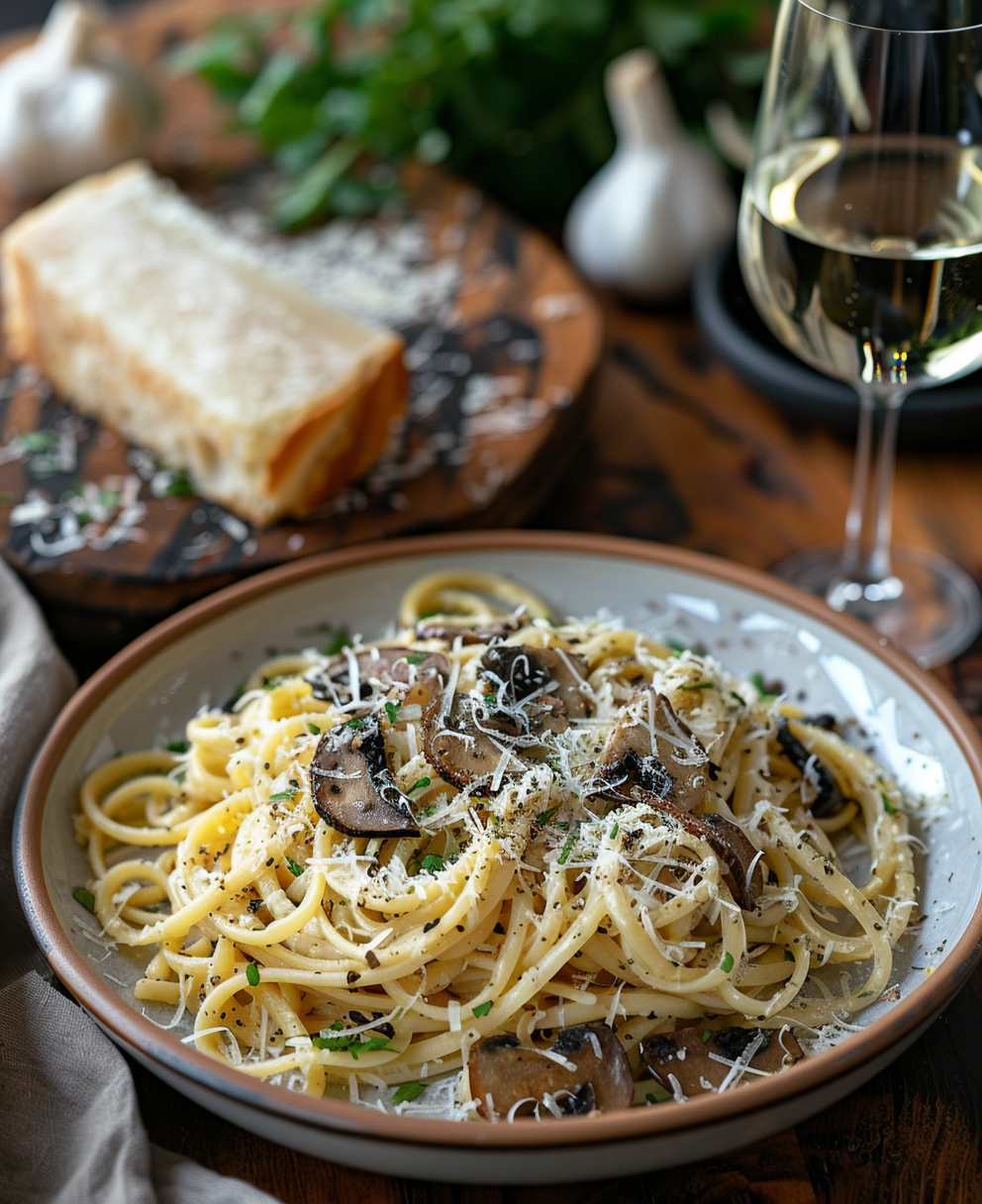
Imagine a dish that effortlessly marries luxury with comfort, offering an experience typically reserved for fine dining, yet entirely achievable in your home kitchen. That's the magic of truffle pasta. With its incredibly rich, earthy aroma and velvety texture, it’s a gourmet-style dinner that promises to delight your senses. But what if you could take this exquisite dish and tailor it precisely to your palate, or simply make it with ingredients you already have on hand? This guide will dive deep into the art of creating the perfect truffle pasta, exploring essential ingredient swaps and clever flavor hacks to elevate your culinary game.
Far from being intimidating, preparing a restaurant-quality truffle pasta at home is surprisingly accessible. The core components – a creamy Parmesan sauce, aromatic truffle oil, and tender pasta – lay a robust foundation. However, the true genius lies in understanding how to adapt, enhance, and personalize this classic. Whether you're a seasoned chef or a beginner looking to impress, these insights will empower you to create an unforgettable meal. For a foundational recipe, you might want to check out our article: Unlock Gourmet Flavor: Quick Creamy Truffle Pasta Guide.
The Foundation: Building Your Dream Truffle Pasta Base
Every masterpiece begins with a strong foundation, and your truffle pasta is no exception. Selecting the right pasta and crafting a luscious sauce are paramount.
Pasta Perfection: The Canvas for Your Sauce
While pappardelle is often hailed as the traditional choice for its broad, flat ribbons that cling beautifully to rich sauces, the world of pasta offers ample room for customization. Don't feel constrained if you don't have it on hand. Excellent alternatives include:
- Fettuccine & Tagliatelle: Similar to pappardelle but slightly narrower, these flat pastas are fantastic for creamy sauces.
- Penne & Rigatoni: Tubular shapes with ridges are excellent for catching every drop of sauce, providing a satisfying bite.
- Linguine & Cavatappi: Linguine offers a delicate counterpoint, while cavatappi's corkscrew shape adds a playful texture.
- Farfalle: Bow-tie pasta adds visual appeal and a unique chewiness.
For the best results, opt for a high-quality, air-dried pasta. Its robust texture holds up well and provides a superior mouthfeel compared to cheaper alternatives. Always cook your pasta to al dente – firm to the bite – as it will continue to cook slightly when combined with the hot sauce. A crucial pro tip: always reserve at least a cup of pasta water before draining. This starchy liquid is a chef's secret weapon, invaluable for adjusting sauce consistency and ensuring a silky finish.
The Creamy Canvas: Crafting the Silky Sauce
The heart of your truffle pasta is undoubtedly its creamy Parmesan sauce. Heavy cream is essential for that luxurious, ultra-silky texture. But the true star alongside the truffle essence is the Parmesan cheese.
- Grate Your Own Parmesan: While pre-grated cheese is convenient, freshly grated Parmesan from a wedge melts more smoothly and offers a significantly richer, more authentic flavor. Packaged cheeses often contain anti-caking agents that can hinder melting and result in a grainy texture.
- Low Heat is Key: When incorporating Parmesan into your sauce, ensure the heat is low. Adding cheese to a base that's too hot can cause the dairy to separate, leading to an unpleasant grainy consistency. Stir continuously until the cheese is fully melted and integrated.
A combination of butter and olive oil for sautéing your initial ingredients creates a rich, flavorful base even before the cream is added.
Truffle Triumphs: Elevating Earthy Aromas
The distinctive aroma and flavor of truffle are what make this dish truly special. Achieving that gourmet essence is easier than you think.
Truffle Oil: Your Convenient Secret Weapon
While fresh truffles offer an unparalleled experience, they are often seasonal, expensive, and less accessible. Truffle oil provides a fantastic and convenient shortcut to infuse your dish with that deep, earthy, heady aroma. Both black and white truffle oils work wonderfully, each offering a slightly different nuance:
- Black Truffle Oil: Tends to have a more robust, earthy, and slightly musky aroma.
- White Truffle Oil: Often described as having a more delicate, garlicky, and peppery profile.
Experiment to see which you prefer! Incorporate truffle oil by sautéing mushrooms in it initially, and then adding a drizzle into the finished sauce just before serving to maximize its aromatic impact.
Mushroom Magic: Texture and Umami
Mushrooms are not just a textural component; they absorb and amplify the truffle flavor beautifully, adding another layer of umami. While white button mushrooms can be used, consider stepping up your game with:
- Cremini (Baby Portobella) Mushrooms: These are often preferred for their firmer texture, deeper brown color, and more intense, earthy flavor compared to their white counterparts.
Sautéing them in a mix of truffle oil and olive oil until they are beautifully browned and tender will concentrate their flavors, preparing them to meld perfectly with the creamy sauce.
Savory Swaps & Flavor Hacks for Unforgettable Truffle Pasta
This is where your creativity truly shines. Small additions and clever substitutions can transform your truffle pasta from excellent to extraordinary.
Protein Power-Ups
The reference recipe includes savory pancetta for added depth, and it's a fantastic choice. However, if pancetta isn't available or you're looking for an alternative, consider these swaps:
- Prosciutto: Thinly sliced and crisped, it offers a similar savory, salty punch.
- Finely Diced Ham: A readily available option that provides a good base of flavor.
- Crispy Bacon Bits: For a more accessible and often bolder flavor profile.
- Crumbled Italian Sausage: If you enjoy a bit of spice or fennel, this can add incredible depth.
For a vegetarian option, simply omit the meat and perhaps increase the mushroom quantity or add a plant-based alternative like smoked tofu or tempeh for a savory chew.
Deglazing & Depth: The Secret to Layered Flavor
Deglazing the pan after cooking your proteins and aromatics is a critical step for building complex flavors. The residual bits stuck to the bottom of the pan, known as 'fond,' are packed with intense taste. Swirl in one of these liquids to release them:
- Wine: Chardonnay, Pinot Grigio, or Sauvignon Blanc are excellent choices. Their acidity cuts through richness and adds a subtle fruitiness. Reduce the wine by half to concentrate its flavor and cook off the alcohol.
- Broth: If you prefer not to cook with wine, an equal amount of good quality chicken or beef broth makes a perfect substitute, adding savory depth. Vegetable broth works equally well for a vegetarian version.
Secret Flavor Enhancers: The Unsung Heroes
Some ingredients work behind the scenes, enhancing the overall profile without overtly announcing their presence. These are your secret weapons:
- Lemon Juice: A small squeeze of fresh lemon juice at the end brightens all the other flavors, cutting through the richness without making the dish taste lemony. Fresh is always best compared to jarred.
- Hot Sauce, Worcestershire Sauce, Dijon Mustard: These might sound unusual, but a tiny dash (literally a few drops) adds incredible complexity and umami without introducing their distinct flavors. They act as a silent amplifier.
- Fresh Garlic: Always opt for fresh garlic, minced finely. It absorbs flavor more deeply and offers a much more vibrant taste than pre-minced, jarred garlic.
- A Pinch of Nutmeg: A classic Italian hack for creamy sauces, a tiny grate of fresh nutmeg adds warmth and rounds out the dairy notes beautifully.
- Fresh Herbs: While parsley is a standard garnish, consider stirring in a little fresh thyme or finely chopped rosemary earlier in the cooking process for an added aromatic layer.
Mastering the Technique: Tips for a Flawless Finish
Beyond the ingredients, technique plays a vital role in achieving that perfect, silky truffle pasta.
- Heat Management for Cheese: As mentioned, always add Parmesan cheese over low heat and stir constantly. This prevents the proteins from seizing and ensures a smooth, emulsified sauce.
- Continuous Stirring: Especially when adding flour to create a roux or when incorporating liquids for the sauce, continuous stirring is key to preventing lumps and ensuring a velvety texture.
- Pasta Water to the Rescue: If your sauce becomes too thick or clumpy after adding the pasta, a small splash of the reserved starchy pasta water will smooth it out perfectly. It helps bind the sauce to the pasta and adds an extra layer of flavor.
- Timing is Everything: Coordinate your cooking so that the pasta is ready (al dente) just as your sauce is finished. This ensures everything is hot and fresh when combined.
- Garnish Generously: A final sprinkle of fresh chopped parsley not only adds a pop of color but also a fresh, herbaceous counterpoint. Freshly ground black pepper and a final drizzle of a good quality extra virgin olive oil are also wonderful finishing touches.
For even more detailed instructions and expert tips on the cooking process, don't miss our comprehensive guide: Restaurant-Quality Truffle Pasta: Easy Recipe & Pro Tips.
Crafting the perfect truffle pasta is an exciting culinary journey that allows for endless creativity. By understanding the roles of key ingredients and embracing the power of strategic swaps and flavor hacks, you can transform a simple meal into a luxurious experience. Don't be afraid to experiment, taste as you go, and personalize this exquisite dish to suit your unique preferences. With these tips in your arsenal, you're well on your way to mastering a truly unforgettable truffle pasta that will impress even the most discerning palates.
